


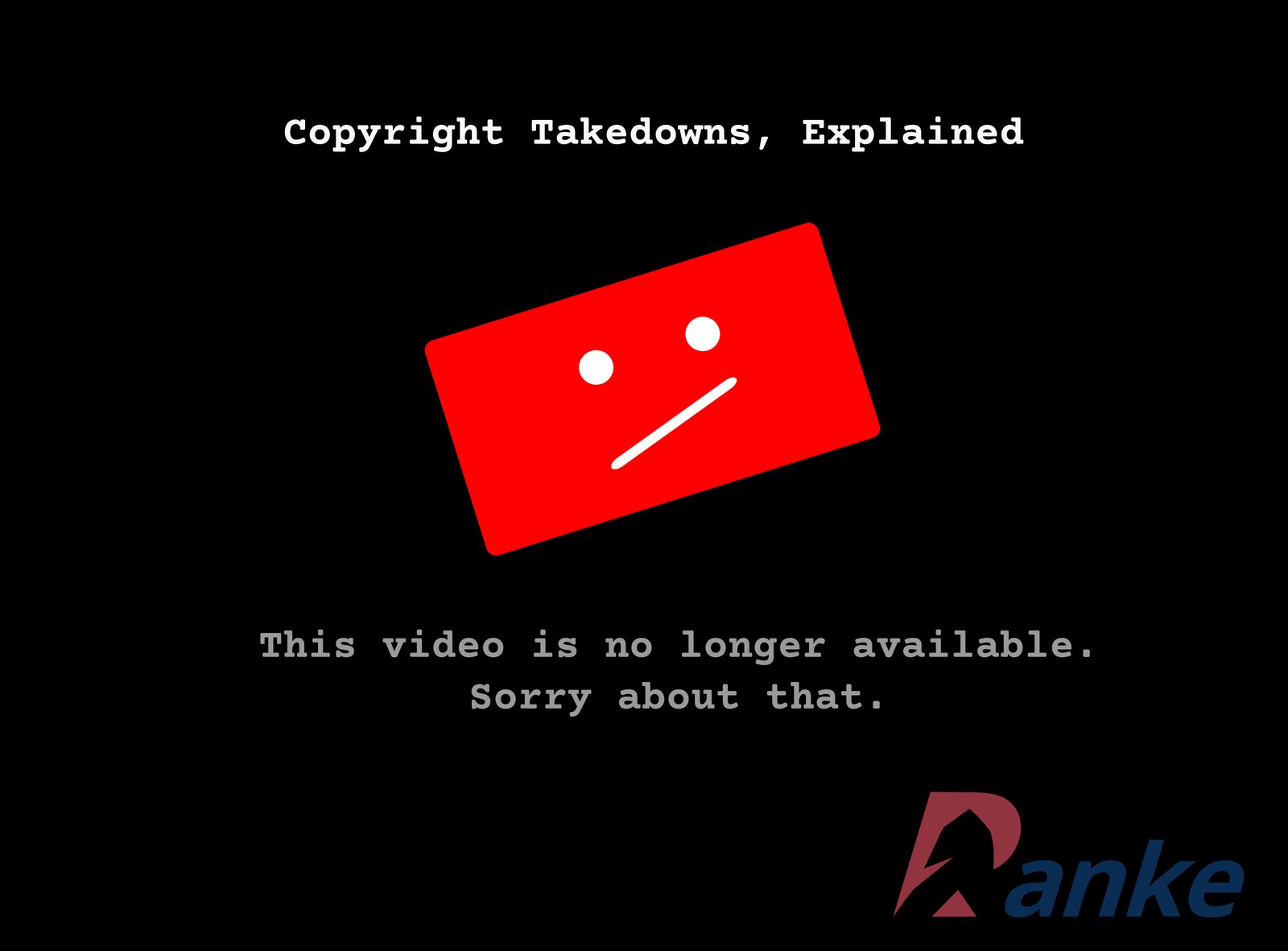
You uploaded a video, and now a gray wall sits where it played: "Video unavailable". "Why did YouTube take my video down?!" It feels like the platform flexing — but actually, it mostly isn't YouTube's call. A 1998 US law and the DMCA safe harbor it created dictate what must happen. Below, we explain which force is actually "nuking" your video.
The deal Congress offered platforms
In 1998 the US Congress passed the Digital Millennium Copyright Act. Its section 512(c) offered online platforms a bargain.
Host what your users upload, and you are not liable for their copyright infringement — on one condition. When a copyright owner sends a valid notice, you take the flagged material down.
Without that deal, no company could run a site where strangers upload video by the millions. The legal exposure would sink it on the first day.
How YouTube sustains their DMCA "safe harbor" status

The shield is not automatic. YouTube earns it three ways, and has to be consistent at it.
First, it files a designated agent with the US Copyright Office public directory, so a rights holder knows exactly where to send a notice (§512(c)(2)).
Second, once a valid notice arrives, it has to "respond expeditiously to remove, or disable access to" the material that is claimed to be infringing (§512(c)).
Third, it needs a policy to terminate "repeat infringers" (§512(i)). That is the real reason your account collects "copyright strikes" — the statute makes YouTube count them.
Ignoring a notice is expensive
Miss a valid notice, or decide a video is worth the risk, and YouTube loses the shield for that material. It then stands exposed to secondary-infringement liability, for uploads it never made, at the scale of a platform that takes in hundreds of hours of video a minute.
That is why the takedown is "reflexive". Viacom v. YouTube (676 F.3d 19) tested a billion-dollar claim on exactly this question, and the stakes have not shrunk since.
The duty has a boundary, though. In Athos Overseas v. YouTube (11th Cir., 2026) the court held that a stack of past notices does not oblige YouTube to hunt for related infringement on its own. The obligation attaches to the specific material a valid notice identifies, and stops there.
Where Content ID goes further than the law
The law is careful about what it does NOT demand. §512(m) says a platform has no general duty to monitor its service for infringement. Congress requires YouTube to answer notices and stops there.
Content ID is what YouTube built on top of that floor, voluntarily. It scans every upload against a database of files rights holders have registered, with no notice from anyone.

A Content ID match usually monetizes the video or blocks it, and it creates no copyright strike. The §512(g) counter-notification that governs a formal DMCA takedown does not reach it — a Content ID dispute runs through YouTube's own private process.
So most of what creators call a copyright takedown is a Content ID claim, which the law never required at all.
What to do if you get a DMCA takedown
If you receive a formal DMCA takedown, it means the machine is working as designed. A claim was filed which led to YouTube bubbling that up to keep its shield.
The statute builds in your check: a §512(g) counter-notification — a signed statement that the claim is mistaken — puts the video back in "not less than 10, nor more than 14, business days," unless the claimant actually files a lawsuit in that window.
A Content ID claim is a different animal, however. Content ID claims are handled inside YouTube, under YouTube's rules, and the DMCA has no say on it.
Have you ever had a video taken down?
This is general information about US copyright law, not legal advice. The author is not a lawyer.
References
- Digital Millennium Copyright Act, 17 U.S.C. § 512 — Legal Information Institute
- The Digital Millennium Copyright Act (overview) — U.S. Copyright Office
- DMCA Designated Agent Directory — U.S. Copyright Office
- Viacom Int'l, Inc. v. YouTube, Inc., 676 F.3d 19 (2d Cir. 2012) — Stanford WILMap
- Athos Overseas Ltd. Corp. v. YouTube, Inc., No. 23-13156 (11th Cir. 2026) — U.S. Court of Appeals for the Eleventh Circuit
- How Content ID works — YouTube Help

 Instagram